-
Shop
- Start Here
- Best Sellers
- What's New
- Brands
- Activated Probiotics
- Bioclinic Naturals
- Biogaia
- BiotiQuest
- Bodybio
- Cellcore
- FIQ
- Flordis
- Gelpro
- Kefirko
- Low D
- Masontops
- MedLab
- Melbourne Hot Sauce
- Metabolic Maintenance
- Microbiome Labs
- Mito Wellness
- Mother Dirt
- Nourishme Organics
- Preventa
- Provenir
- Pure Encapsulations
- Qenda
- Quicksilver Scientific
- Researched Nutritionals
- Thorne
- VSL3
- Vivomixx
- Bundles
- Allergic Rhinitis
- Anti-Ageing
- Australian Made
- Beauty
- Biohacking
- Bone Broth
- Books
- Candida
- Cheese
- Children
- Cleaning
- Collagen
- Colostrum
- Constipation
- Detox
- Deuterium Depleted Water
- Diarrhea
- Dietary Fibre
- Digestive Enzymes
- Dysbiosis
- Erectile Dysfunction
- Fat Loss
- Fermentation
- Fermented Vegetable
- Fine Foods
- Garden
- Gift Cards
- Gut Health
- Hair Loss
- Heavy Metals
- H pylori
- IBS/ IBD
- Immune Health
- Kefir
- Kombucha
- Leaky Gut
- Low FODMAP
- Medicinal Mushrooms
- Menopause
- Mental Health
- Microbiome
- Microbiome Consultation
- Miso, Koji, Natto
- Mitochondrial Health
- Mould
- Multivitamins
- Oral Health
- Organic
- Paleo/ Carnivore
- Pantry
- Parasites
- Pet Health
- Postbiotics
- Prebiotics
- Prepping
- Probiotics
- Red Light Therapy
- Reflux
- Rheumatoid Arthritis
- Root Cause Protocol
- Second Fermentation
- SIBO
- Skin Care
- Sleep
- Sourdough
- Sports Nutrition
- Sprouting
- Stress
- Supplements
- Tempeh
- Testosterone
- Toilet Stool
- Travel
- Vegan
- Weight Loss
- Yoghurt
- Zeolite
-
Shop
- Shop All
- Start Here
- Best Sellers
- By Product
- Australian Made
- Books
- Carnivore
- Cheese
- Collagen
- Colostrum
- Deuterium Depleted Water
- Dietary Fibre
- Digestive Enzymes
- Fermentation Accessories
- Fermented Vegetables
- Fine Foods
- Gift Cards
- Kefir
- Kombucha
- L reuteri
- Microbiome
- Miso, Koji, Natto
- Mushrooms
- Natural Extracts
- Organic Tea
- Postbiotics
- Prebiotics
- Probiotics
- Red Light Device
- Second Fermentation
- Sourdough
- Sports Nutrition
- Sprouting
- Starter Cultures
- Tempeh
- Tofu
- Yoghurt
- Zeolite
- By Brands
- Home & Beauty
- My Rewards
- My Orders
-
Learn
- Podcast
- Videos
- Recipes
- Support Group
- Beginners Start Here
- Fermentation Workshop
- Ultimate Guides Series
- Second Fermentation
- How to Make:
- Milk Kefir
- Water Kefir
- Coconut Milk Kefir
- Coconut Water Kefir
- Almond Milk Kefir
- Kombucha
- Jun Kombucha
- Viili
- Filmjolk
- Second Fermentation
- Dried Milk Kefir Grains
- Dried Water Kefir Grains
- Koji Rice
- White Miso
- Tempeh
- Probiotic Yoghurt
- Fermented Vegetable
- Vegan Coconut Yogurt
- Sprouts
- Natto
- Sourdough Levain
- Apple Cider Vinegar
- Sour Cream
- Fermented Buttermilk
- Cultured Butter
- L reuteri Yoghurt
- SIBO Yoghurt
- L gasseri Yoghurt
- Rhamnosus Yoghurt
- Tofu
- S boulardii Sparkling Soda
- Paneer
- Sauerkraut
- What is Kefir
- What is Kombucha
- DDW Dilution Calculator
- Reviews
- About us
- Blog
- Podcast
- Contact Us


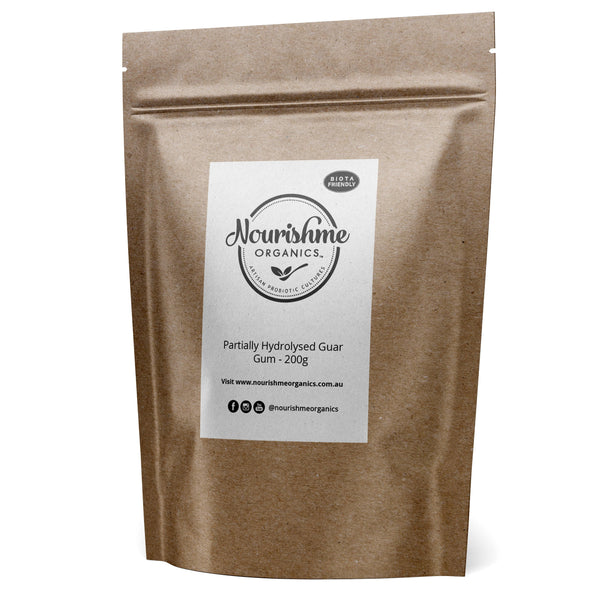
Partially Hydrolysed Guar Gum (PHGG) - Sunfiber (LOW FODMAP) 200g
$24.97 AUD
$45.00 AUD
View Details


Why GOS Prebiotic Deserves a Place in Your Gut Health Routine
Tried inulin? Dabbled in acacia fibre? There's a good chance you haven't met galactooligosaccharides yet. GOS prebiotic prebiotic is one of the most studied prebiotic fibres available. It works quite differently from many fibre supplements on the supermarket shelf.
Here's the interesting part: GOS occurs naturally in human breast milk. That tells you something about how important it is for shaping a healthy microbiome from the very start of life. In supplement form, GOS prebiotic selectively feeds Bifidobacterium and Lactobacillus, two of the most beneficial bacterial groups for digestion, immunity, and microbial balance.
So what makes a GOS prebiotic different from other fibres?
- It targets the bacteria that matter most: Clinical trials consistently show that GOS prebiotic increases Bifidobacterium levels in the gut. This effect has been seen across all age groups, from infants to older adults.
- It's gentler on sensitive stomachs: Many people bloat or cramp when they start a new prebiotic. Research suggests GOS is less likely to cause these side effects than inulin or FOS. If your gut tends to protest new supplements, GOS prebiotic is a smart place to start.
- It mirrors what's in breast milk: GOS is structurally similar to the oligosaccharides found in human milk. That's part of why it's so good at feeding beneficial bacteria while starving the harmful ones.
- It fuels short-chain fatty acid (SCFA) production: Your good bacteria ferment GOS in the colon and produce SCFAs like butyrate. Butyrate feeds the cells lining your gut wall and supports healthy inflammatory responses.
- Potential gut–brain support: Emerging research is exploring how GOS prebiotics may influence the gut–brain axis. Some studies suggest it may support emotional well-being by helping beneficial gut bacteria thrive.
For best results, aim for 5–10 g of GOS prebiotic per day. Start low, build up gradually, and pair it with a quality probiotic for a true synbiotic effect, prebiotics and probiotics working together, not just sitting on the same shelf.
GOS Prebiotic
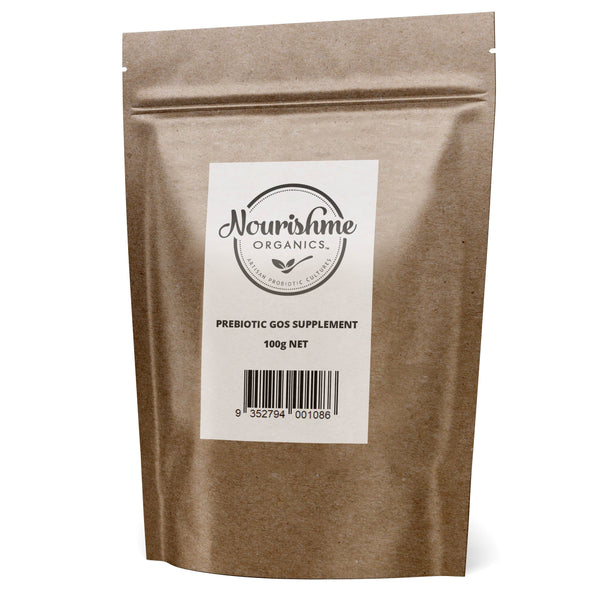
Not sure where to start? Our Prebiotic GOS Supplement is one of the easiest ways to support beneficial gut bacteria. This clean, unflavoured GOS prebiotic powder contains 100% pure beta-galactooligosaccharides, with no fillers or additives. Plus, it dissolves easily into water, kefir, smoothies, or your morning L. reuteri yoghurt.

Prebiotic Beta GOS Supplement 100g
$49.96 AUD
$54.99 AUD
Galacto-oligosaccharides, (Beta GOS) is dietary food supplement to increase fibre intake and/or promote the growth of specific non-pathogenic bacteria, including, ...
View Product
The Secret Power of Prebiotic Fibres
Discover the amazing world of prebiotic fibres! We explore various types, including galactooligosaccharides, xylooligosaccharides, and the surprising prebiotic power of hyaluronic acid.
NMO Gut Health Journal


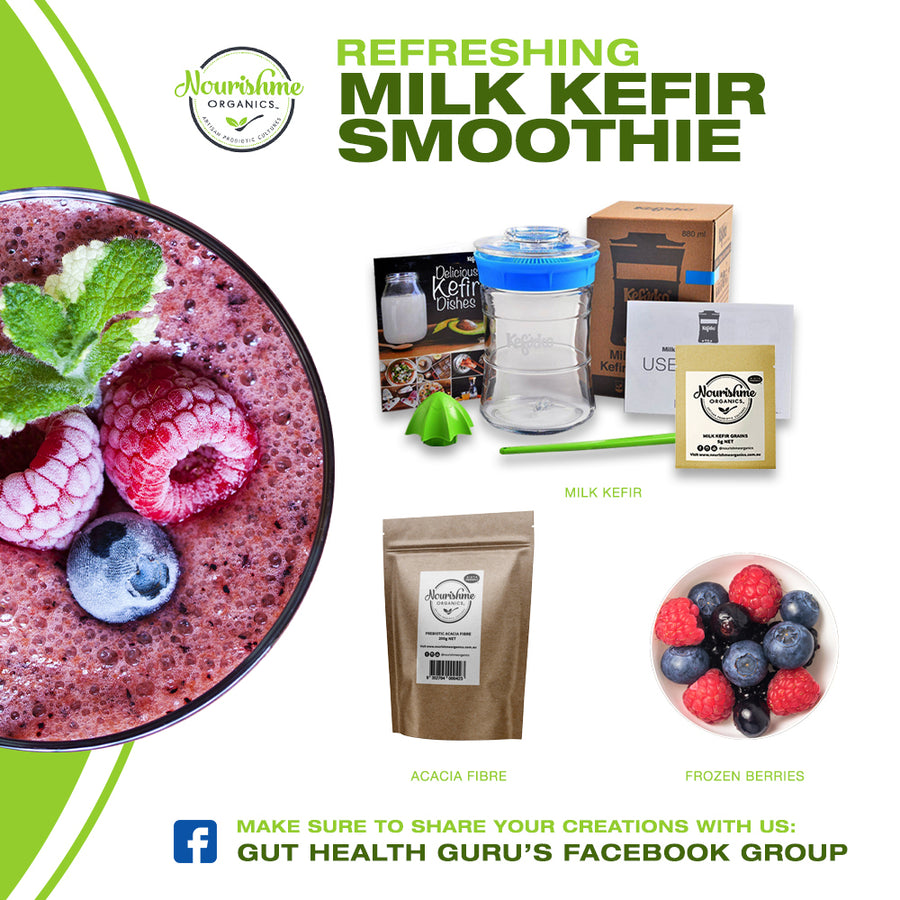
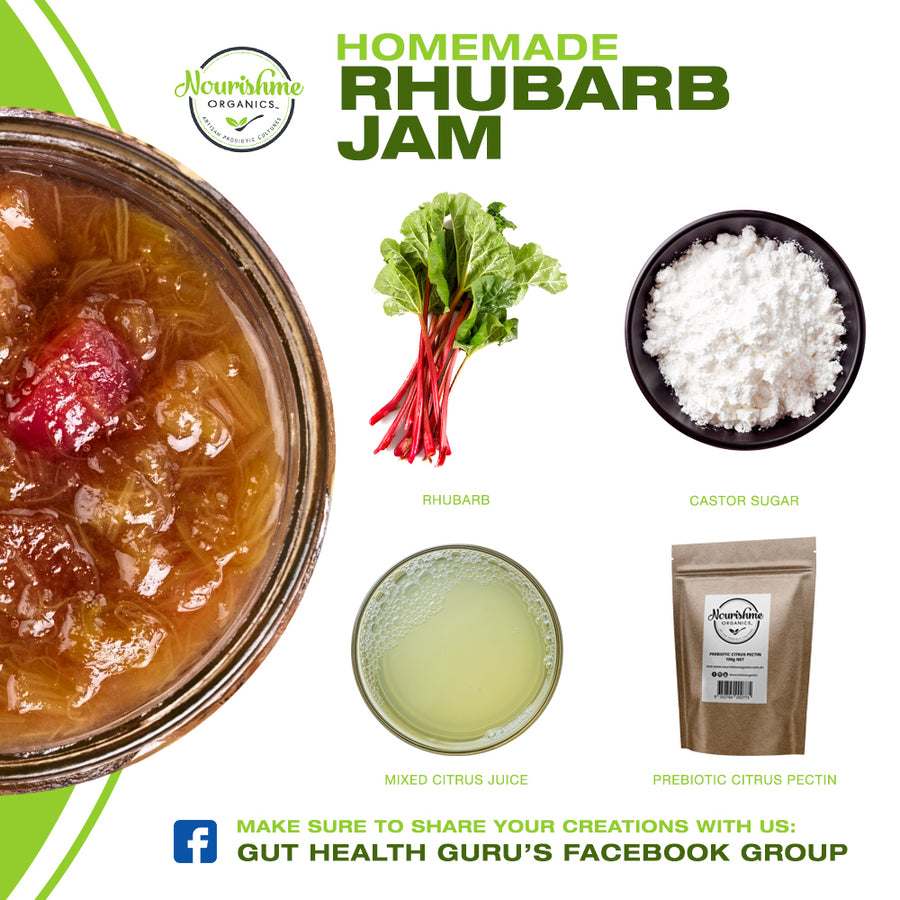
Prebiotic-Friendly Recipes with GOS and Gut-Loving Fibres
Good prebiotics don't just come in powder form. They show up in your kitchen, too. These recipes are loaded with natural prebiotic fibres from fermented dairy, resistant starch, and fibre-rich fruits and vegetables. Add a daily GOS prebiotic supplement on top, and you're giving your gut bacteria a proper feast, not just a snack.

Frequently Asked Questions
Prebiotics are natural, non-digestible plant fibres that pass through your digestive system and feed beneficial bacteria in your gut. By helping these microbes grow and thrive, prebiotics support digestion, improve nutrient absorption, and help maintain a balanced gut microbiome. A healthy microbiome is linked to many aspects of wellbeing, including immune function and the gut–brain connection.
Prebiotics and probiotics work well together. Think of probiotics as the seeds of your gut garden and prebiotics as the nourishment that helps them grow. While probiotics introduce beneficial bacteria into the gut, prebiotics provide the fibres that those microbes use as fuel. Together, they help support a diverse and balanced gut microbiome.
Prebiotics are easy to incorporate into your day. Simply mix them into water, kefir, smoothies, or yoghurt. Start with a small amount and gradually increase as your body adjusts. Pairing prebiotics with probiotic foods or supplements can help support a diverse and resilient gut microbiome.
Regular intake of prebiotic fibres helps nourish beneficial gut bacteria and support a healthy microbiome. This may help support digestion, nutrient absorption, and overall gut balance. Because the gut is closely connected to many systems in the body, maintaining a healthy microbiome can also play a role in broader well-being.
Nourishme Organics offers a carefully curated range of organic, food-based prebiotics made from clean, natural ingredients, with no artificial additives. Our products are designed to be gentle on digestion, sustainable, and easy to use. Plus, you'll gain access to expert advice, DIY fermenting tips, and a supportive gut health community.
GOS stands for galactooligosaccharides. It's a prebiotic fibre that's structurally similar to the oligosaccharides found naturally in human breast milk. That makes it quite different from inulin and FOS, which are fructan-based fibres from sources like chicory root. GOS is galactose-based and selectively feeds Bifidobacterium and Lactobacillus species. Several clinical studies have also found that GOS prebiotic tends to be gentler on the stomach than fructan-based prebiotics. That makes it a solid option if you have a sensitive gut or tend to bloat with other fibre supplements.
Yes, and that's actually the best way to use it. GOS prebiotic acts as fuel for the beneficial bacteria you're already taking through probiotic supplements or fermented foods. Taking them together creates what's called a synbiotic effect. The prebiotic helps probiotic strains survive and settle in your gut. If you're making kefir or L. reuteri yoghurt at home, you can even add GOS prebiotic straight into your ferment as food for the cultures.
Research suggests the sweet spot is between 5–10 g per day. We recommend starting at the lower end, around 2–3 g, and building up over a week or two. This gives your gut bacteria time to adjust without the gas and bloating that can happen when you jump in too fast.
*This product is not intended to diagnose, treat, cure, or prevent any disease or medical condition. It is designed for general wellness and does not claim to provide therapeutic benefits.
Always consult with a qualified healthcare professional before making any changes to your health or wellness routine. Supplements should not replace a balanced diet. Always read the label.
Let customers speak for us
Great tasting cultured dairy
I have used this culture to make some great tasting yoghurt. My first batch was separated with lots of whey by about the 24 hr mark so I put it in the fridge and we drank the product. My second batch turned out great and we are now eating yoghurt with lots of good bacteria in them. We like the taste.
Anita

Just right
It's delicious
Sara R.

Organic goodness
After adjusting to the taste, I have come to value this oil as it does so much good in us. I am still researching all the benefits of consuming black seed oil and am particularly impressed with just how many aspects of our health it can positively impact.
Anita

Great alternative to metal lids
Great quality and fit my wide mouth mason jars perfectly. Very happy with my purchase
Anita

Reuter-i Pro Yoghurt maker
I was so happy to receive my yoghurt maker (I have two friends with one each). I’ve made 4 batches now & love the taste; it was so easy to use I had to recheck the directions to make sure I was on track (all four have turned out perfect). I actually used a starter culture from my friends. Now I am making batches for my daughter and grandsons.
Many thanks to Kriben Govender & Nourishme Organics for such a great product, website & information.
Cheers Malcolm
Malcolm N.

Water keffir grains
I love these grains. I have a 'brew' on the go 24/7. Fantastic.
Stephen D.

Loving making our own yogurt, feeling better already.
Kim m.

Quick turnaround
Replacement arrived quickly and as ordered
Robert K.

Glad I found it
This does amazing things for digestion
Michelle

Nothing to dislike but all good
Maxwell

Absolutely
Yes producing excellent results
Thank you
Maxwell B.
Best Investment
I purchased the Reuter-i Pro with 2 jugs. Used Nourishme Reuteri Culture Starter and NMO Chicory Root. My first batch separated as expected however the taste was delicious. I stirred in the whey so can drink it. Prepared my second batch this morning - took me a whole 2min!! Sterilized both jugs at same time so was ready to use. I have a 4 jar reuteri maker and it was a hassle cleaning and sterilizing4 jars and only made 1.5lt. This makes 2lt and machine being preset I don't have to press buttons 30 times to set temperature and time. Also have used capsule culture starter in the past, however I found the NMO starter to be the best. I am sensitive to EMFs and some frequencies are being trialed in my area (6g or something else? don't know) and 2 months ago I developed what looks like a radiation burn on my face and neck, very red and itchy, especially when the frequencies are turned on/up? I have consumed over a cup of reuteri yoghurt daily for 2 days and put some on my face yesterday, already have diminished itching and reduction in redness. Skin still very flaky with raised areas but this is the first thing that has made a difference, and I have spend $ hundreds on creams and omitted any foods that I thought may be a strain on immune to help deal with the affected skin. Now I'm on the right track, at last. My next batch will be the NMO Coagulans. Thank you for the excellent communication and support Nourishmeorganics have given me, I am so grateful.
Majette D.
L.reuteri
Hi. We have used this brand before and were very happy with it. The last brand we tried was oxiceutics which has 20 billion bacteria capsules but this LR08 has 100 billion. So I'll be comparing the effects. I'd forgotten that the first batch separates but it's all good. I also alternate with L. Gasseri. which seems to have a positive effect on my digestion. Very happy with them both ☺️ 👍
Lesley J.

Reuteri Yoghurt maker
I found this yoghurt maker very easy to use. The yoghurt separated a bit but I believe that can happen when using Reuteri capsules for the first time.
The unit is quite bulky to store.
Tessa
Reuteri-i Pro yoghurt maker
Without which we would not be able to make such a wonderful product, it is so easy and simple to use with su ch great results. Superb.
Adrian M.